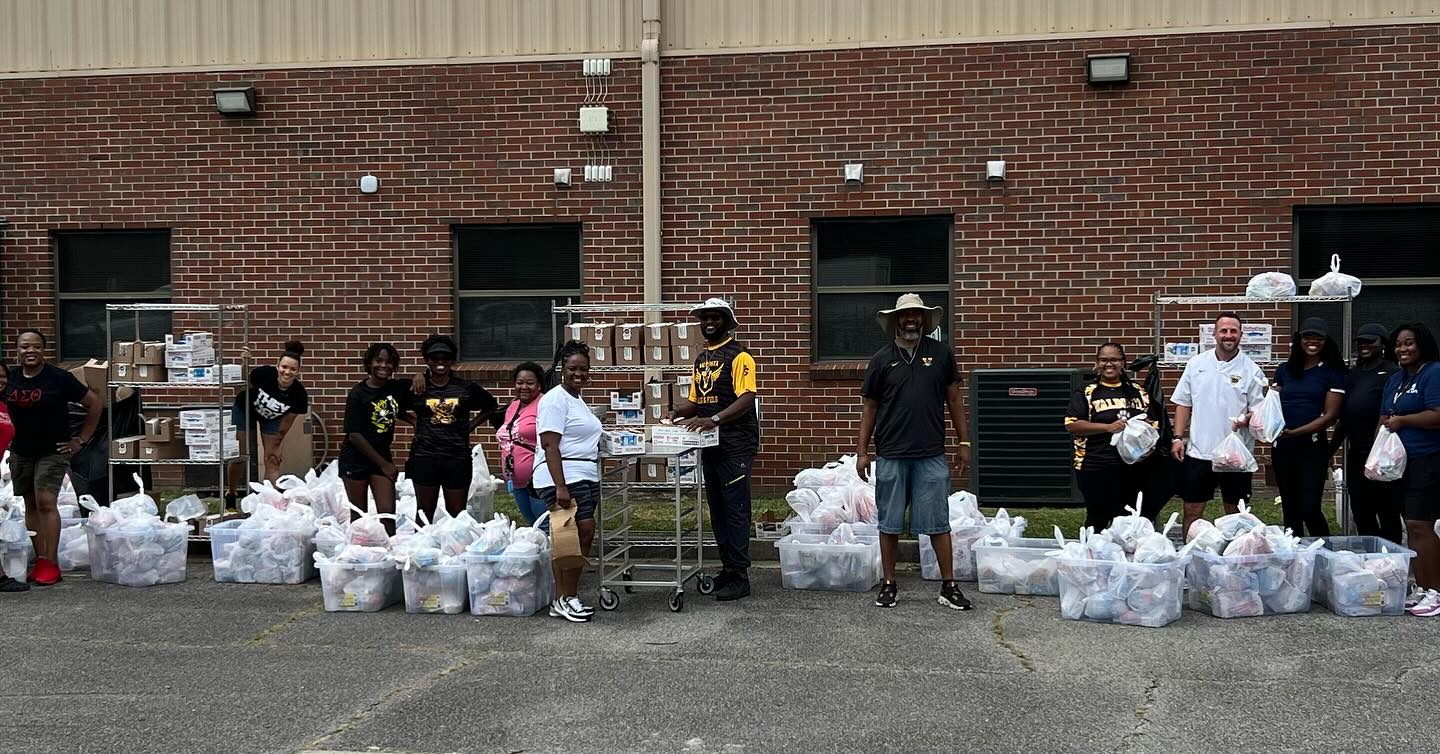

“Our community has really come together to help those in need.”
“… everyone has helped in so many ways.”
“…so proud to be in a community that comes together when they need to..”
As I talk to school people in the devastated areas of South Georgia, I hear a constant theme: the damage is beyond imagination but we have come together as a community.
Here are three things to think about coming together as a community not only in times of devastation, but in more typical times:
- Offer opportunities to serve in ways people are willing and able. When it’s not a crisis like hurricane recovery, we often struggle to find ways to connect with community members. I don’t think it’s that they don’t want to help, but often its not in ways they are able or wiling to support. Those feelings of pride, partnership, and engagement bring a community together when we get more people involved. I love when schools do something as simple as a morning “high-five line” with community members and parents greeting students as they arrive to school. The more we can do together, the more our students feel a part of something bigger, and that’s a major motivator for effort.

- Make it a regularly-occuring, ongoing event. What if once a month, you had School and Community Day? What if on that day, all of your schools honed their efforts on outreach? Remember, it’s a two-way street. These can be days that your people reach out in the other direction to those in the community. Remember, school only accounts for a third of student academic achievement; one of the other thirds is populated by home and community factors. Stronger communities lead to stronger students. Develop a pattern… the first Tuesday of every month, or the last day of the month, or something significant for your community and declare a day. The potential benefits are huge. Regularity invokes feelings of permanence, and that alone cultivates participants.

- A Place for Everyone. Doers don’t do meetings. Meeters aren’t always great with a chainsaw. VALUE what everyone brings to the table and try to avoid making it overly-bureaucratic. Yes, it needs to be safe, and absolutely if people are around our school children they need to go through your normal vetting process, but think about ways to get people connected, not ways that keep them away. As safely as you can, make connecting with school as hassle-free as possible. Community people in a crisis show up ready to distribute food, grill hot dogs, move brush, or whatever needs be done. How can you tap into that in typical times? If you’ve got willing hands, don’t make it a chore just to help. And the person who brings a twelve-pack of water is just as important as the one who brings a truckload. If you’re going to truly connect all parts of your community, you meet people where they are and appreciate their heart of service.





Leave a Reply